The Most Popular Trails, And Quieter Alternatives Nearby
How to enjoy famous parks without standing in lines of people and tripods.
How to enjoy famous parks without standing in lines of people and tripods.
Everyone loves a classic trail. The ones that appear in guidebooks, social media feeds, and postcards – the “must-hike” trails. They’re iconic for a reason: views that stop your breath, landscapes that look like they were painted, and experiences that feel timeless. But there’s a catch: they’re crowded. On peak days, the trails can be packed with hikers, selfies, and the occasional impatient runner.
For many, that takes some of the magic away. Luckily, near every popular trail, there’s often a quieter alternative – a hidden gem that gives similar scenery or a unique perspective without the crowd. These “secret” paths let you experience the same mountains, coasts, or parks in peace, with time to breathe, look around, and really feel the place.
Why Seek Alternatives
Popular trails are popular for a reason – accessibility, dramatic views, or easy parking. But crowds can:
Distract you from nature
Make wildlife sightings rarer
Slow down your pace
Reduce the feeling of being “alone” in the landscape
Quiet trails, by contrast, give space, solitude, and often the chance to notice small details: a flower tucked in the rocks, the sound of water rushing in a hidden stream, or the wind moving clouds across a peak.
Mountain Trail Examples
1. Yosemite Valley Trails
Popular: Mist Trail to Vernal and Nevada Falls. Crowds are intense, especially mid-morning.
Quieter Alternative: Panorama Trail. It starts at Glacier Point and offers comparable waterfalls and views but with far fewer hikers. Longer, yes, but worth the peace.
2. Zion National Park
Popular: Angels Landing. Famous for the chains and views, crowded almost all year.
Quieter Alternative: Observation Point Trail. Hike a similar ridge with breathtaking vistas, fewer people, and an equally rewarding sense of height and accomplishment.
3. Rocky Mountain National Park
Popular: Bear Lake Loop. Easy, picturesque, packed with families.
Quieter Alternative: Gem Lake Trail. Still alpine scenery, small lakes, and mountain views, but far fewer hikers. Shorter and a bit steeper – perfect for those who want solitude without committing to a full-day trek.
Coastal Trail Examples
1. Amalfi Coast, Italy
Popular: Path of the Gods. Stunning cliffside, but often crowded in summer.
Quieter Alternative: Valle dei Mulini. A hidden coastal path weaving through valleys and old mills, offering views of the same sea with almost no crowds.
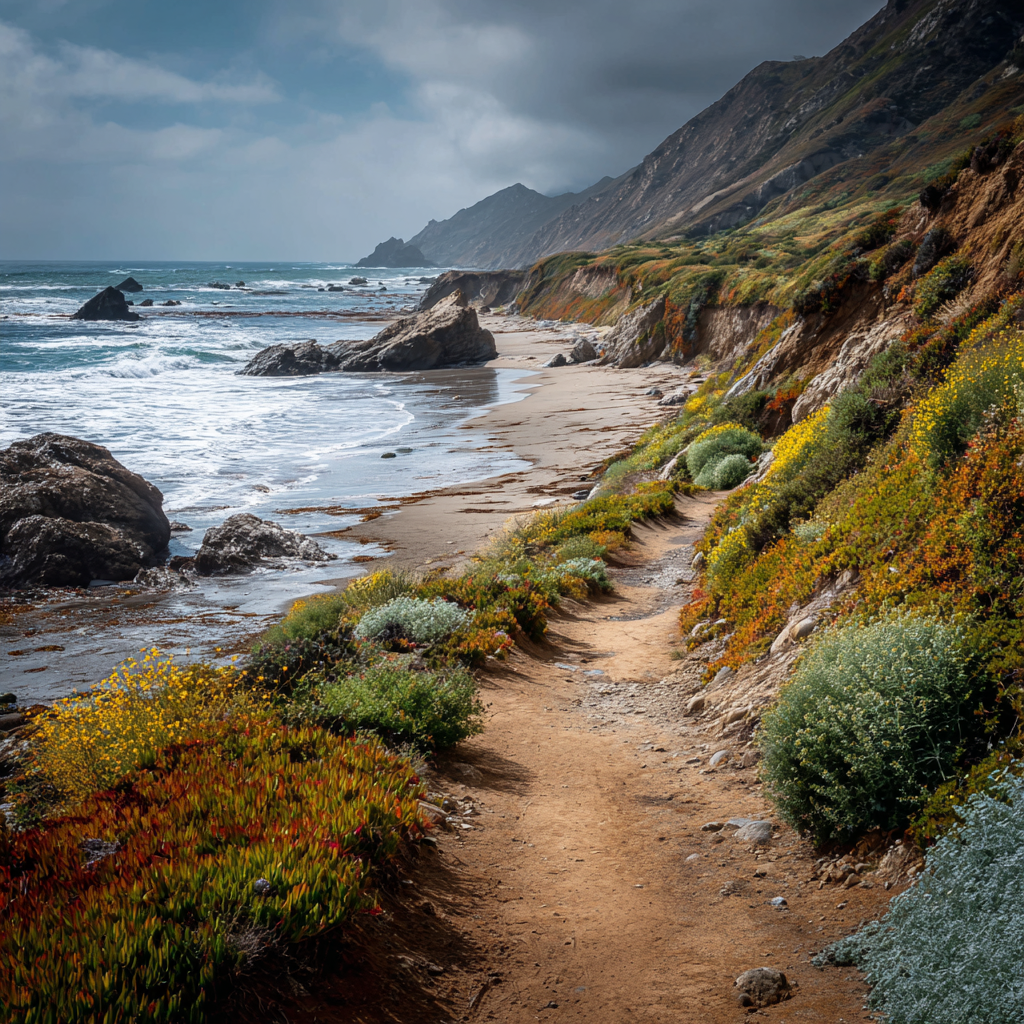
2. Big Sur, California
Popular: McWay Falls Trail. Iconic waterfall and beach, short and crowded.
Quieter Alternative: Partington Cove. Rocky cove, small waterfall, fewer people, and access to tide pools and cliffs. The experience feels intimate and wild.
National Park Examples
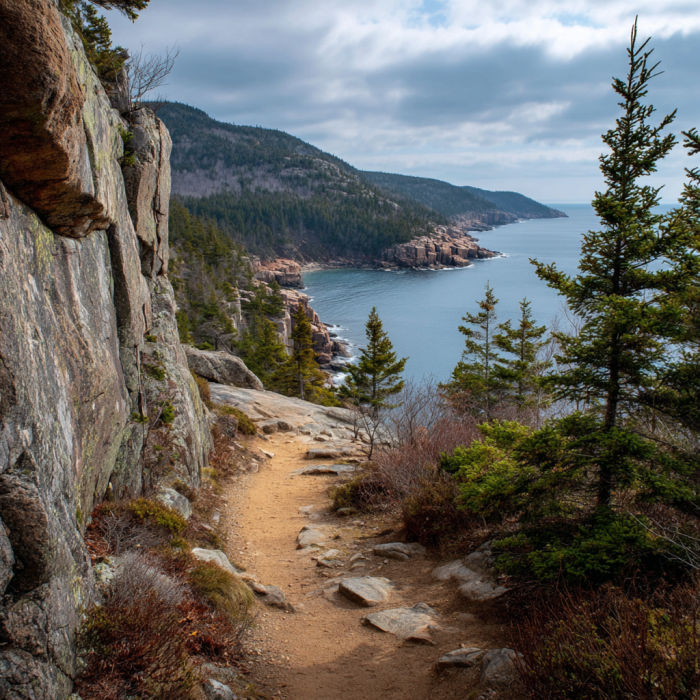
1. Acadia National Park, Maine
Popular: Jordan Pond Loop. Beautiful, easy, almost always busy.
Quieter Alternative: Bubble Rock Trail. Moderate hike with similar pond and mountain views, far fewer visitors, and some nice ridges to rest on.
2. Banff National Park, Alberta
Popular: Lake Louise Lakeshore. Crowded with photographers and tourists.
Quieter Alternative: Fairview Lookout or Saddleback Pass. Both offer views of Lake Louise or surrounding peaks, with trails that see far fewer people.
Tips for Finding Quieter Trails
Check maps beyond the “highlight” loop. Many parks have secondary trails connecting the main sights.
Look for longer or slightly steeper routes. Crowds often stick to short, easy trails.
Go early or late. Even popular trails are quieter at sunrise or late afternoon.
Ask local rangers or guides. They know which nearby paths offer peace without sacrificing scenery.
Use apps or forums. Hiking communities often list lesser-known alternatives with photos and reviews.
Mental Rewards of Quieter Paths
Walking a less-crowded trail changes your perspective. You move slower, notice more, and feel a sense of ownership over the space. Birds, streams, and vistas feel undisturbed. You stop taking photos just for social media and start taking them because you want to remember the moment.
Sometimes the quieter trail surprises you with its own highlight – a waterfall that’s hidden from the main path, a meadow full of wildflowers, or a sudden panoramic view that rivals the “famous” one. And the best part? You often reach the same elevation or scenic payoff as the crowded trail, with peace, breathing room, and the sense that the trail belongs to you for a while.
Popular trails are iconic and deservedly famous. But exploring nearby, quieter alternatives lets you enjoy the scenery without the crowds, stress, or distractions. You still get the views, the fresh air, the adventure – just with more space to feel present.
Every crowded trail has a hidden neighbor. Find it, explore it, and the mountains, coastlines, and parks will feel even bigger, wilder, and more personal. Sometimes the less-traveled path isn’t just about solitude – it’s about discovering a side of the landscape that only patience and curiosity can reveal.