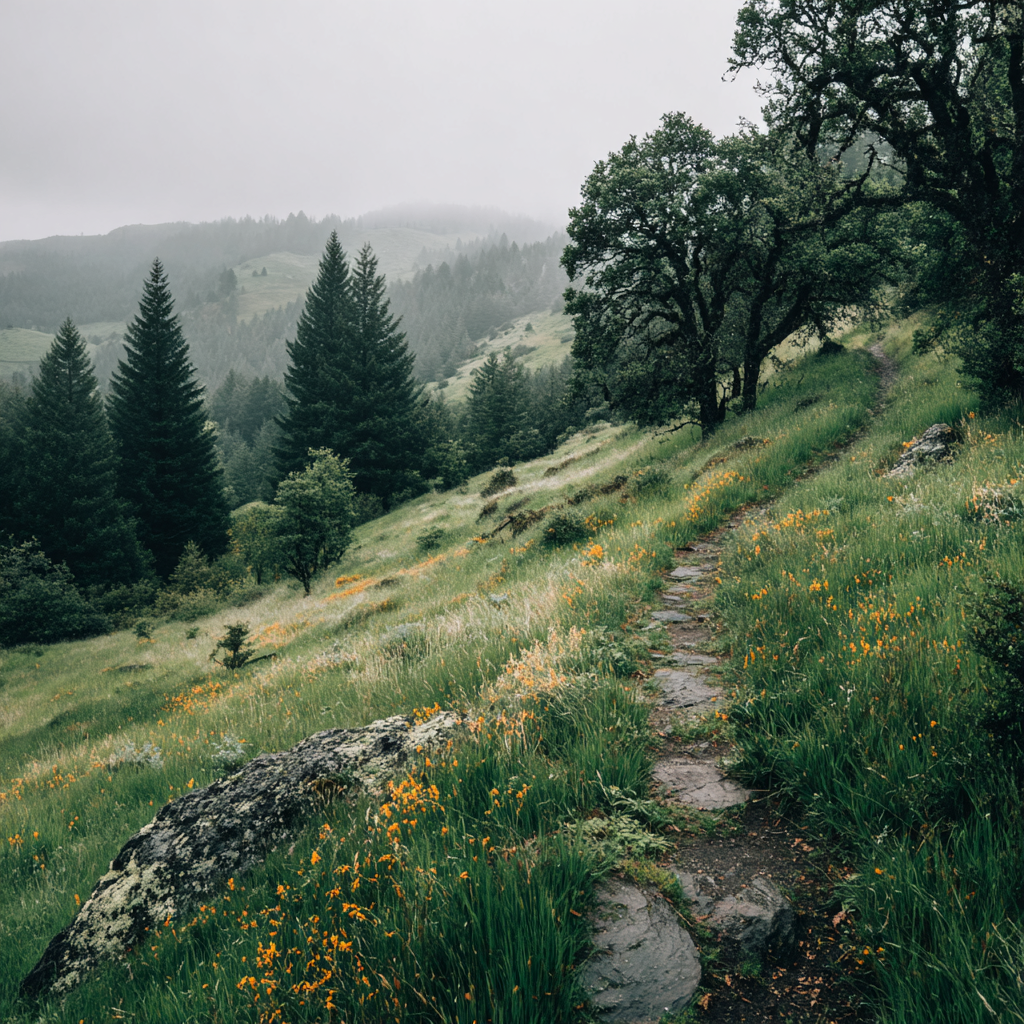
Why Coastal Trails Feel Easier Than They Really Are
Flat on the map doesn’t always mean easy on your legs. We break down hidden challenges of seaside hikes.
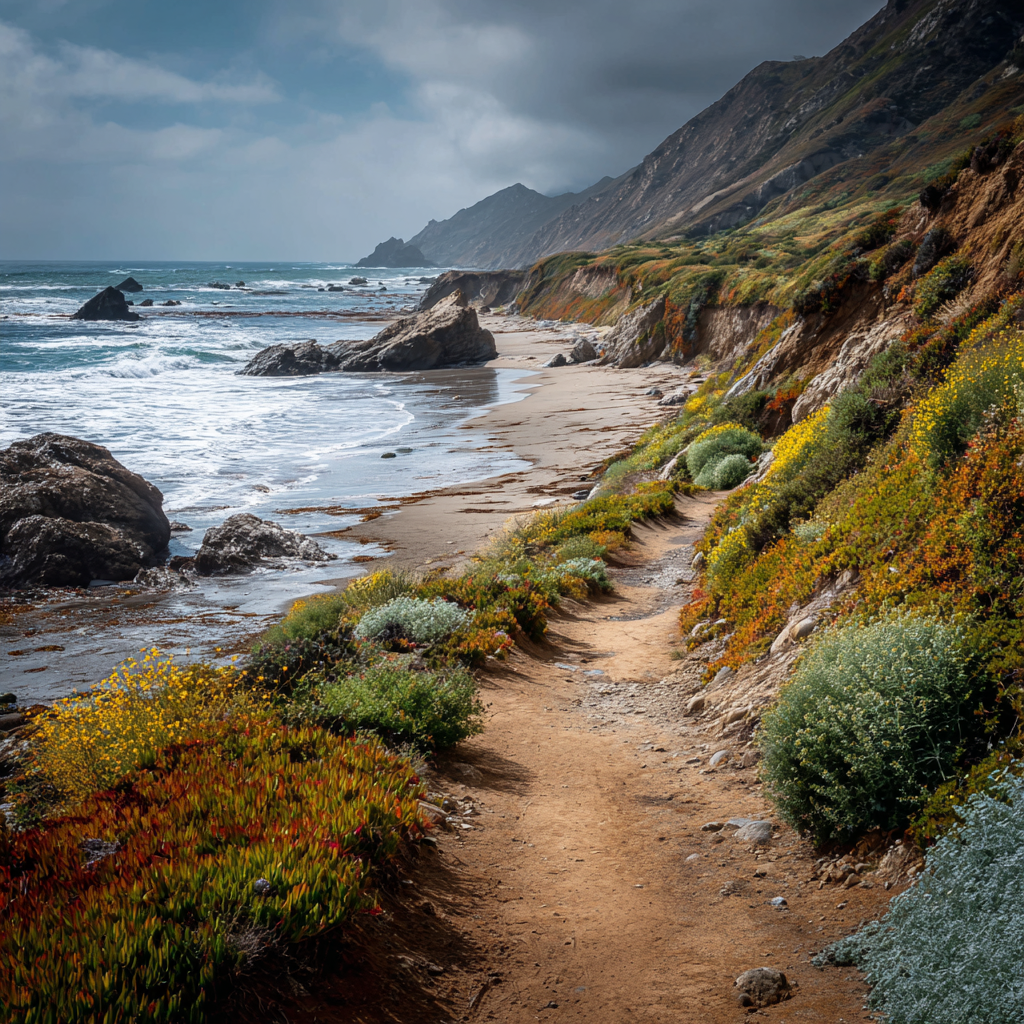
Flat on the map doesn’t always mean easy on your legs. We break down hidden challenges of seaside hikes.
Coastal trails have a reputation for being easy. Gentle slopes, flat sandy stretches, and the hypnotic rhythm of waves lapping against the shore – it all lulls you into a sense of calm. You think, “Yeah, I can handle this. No problem.” And then, somewhere halfway through, your legs start burning, your heart races a bit faster than expected, and the trail suddenly feels… not so gentle.
It’s deceptive. Coastal walks look tame, but they hide little surprises that make them more challenging than the map or guidebook suggests. And that’s why hikers often leave the trail exhausted, pleasantly frustrated, and a little wiser about underestimating the coast.
Why Coastal Trails Trick You
The first reason is terrain. A sandy beach might seem effortless, but walking on soft sand requires more energy than you realize. Every step sinks slightly, every push against the grains of sand adds up. And then there are rocky stretches – uneven, slick with tidewater or moss – that demand careful footing. Trails that switch between sand, gravel, and rock can turn a flat-looking 3-mile walk into a mini workout.
The second trick is tide and elevation change. Even small coastal cliffs or ledges make a huge difference. A path that looks flat on a map might rise and fall repeatedly, unnoticed until your legs protest. High tide can cut off shortcuts or force a detour, adding distance without warning.
Third, wind and weather play a hidden role. A calm morning makes a trail seem easy, but strong coastal wind can double the effort required. Rain, fog, or sun glare can change perception too – a trail that felt wide and safe might become slippery or disorienting.
Physical Challenges You Might Miss
Coastal trails test your stamina in subtle ways:
Soft sand and gravel – your calves and ankles work harder than on a forest trail.
Stepped cliffs and ledges – repeated small climbs can accumulate into a significant workout.
Wind resistance – even moderate gusts require more energy to maintain balance and pace.
Temperature swings – sun exposure near water can be hotter than inland, while foggy sections can chill you unexpectedly.
These hidden factors explain why a “beginner-friendly” coastal trail can feel deceptively strenuous.
Mental Deception
It’s not just physical. The coast messes with your mind too. The constant visual rhythm of waves, the wide horizon, the sound of the surf – it lulls you into thinking you’re barely moving. You underestimate time, effort, and distance. That false confidence can lead to fewer breaks, skipped snacks, and faster pacing – all of which backfire when the trail throws its next curveball.
Even the most seasoned walkers have moments when the coast quietly reminds them: never judge by appearances alone.
Coastal Trails to Test You Gently
Here are a few stretches that look easy but require more effort than expected:
1. Big Sur, California, USA
From sunny beaches to cliffs overlooking crashing waves, Big Sur mixes soft sand, rocky switchbacks, and wind. Some paths appear gentle at first glance, but the repeated ups and downs quickly tire your legs.
2. Pembrokeshire Coast, Wales
Rugged cliffs, hidden coves, and rolling hills create a trail that looks tame on maps but delivers a moderate challenge. Rain and wind add to the effort, turning a “short walk” into a workout.
3. Cinque Terre, Italy
Coastal paths between villages are iconic, colorful, and deceptively tough. Narrow switchbacks and elevation changes sneak up on you, even on a “3-mile” segment.
4. West Coast Trail, Vancouver Island, Canada
A longer, more adventurous option. Sections appear flat, but muddy paths, ladders, and rocky stretches require focus and energy. Weather dramatically changes difficulty, making even experienced hikers pay attention.
5. Amalfi Coast, Italy
Cliffside paths linking towns look charming on postcards, but narrow ledges, uneven stone steps, and sun exposure mean this trail demands more stamina than it first suggests.
Tips to Handle Coastal Trails
Pace yourself. Treat “easy” trails cautiously – soft sand, switchbacks, and wind add hidden effort.
Stay hydrated. Salt air, sun, and effort combine to dry you out faster than inland hikes.
Footwear matters. Boots or shoes that grip wet rock and sand prevent slips and fatigue.
Check tides and weather. Coastal conditions can change rapidly and affect trail difficulty.
Take breaks and snack. Energy dips sneak up on you when the coast seems deceptively calm.
The Reward
Despite the surprises, coastal trails are unforgettable. The view of the ocean, the smell of salt in the air, the sound of waves hitting cliffs – all combine to make the effort feel worthwhile. Even if your legs are tired, your mind is refreshed. You remember not just the hike, but the interplay of elements, the feel of wind, the texture of sand underfoot, and the way the coast challenges without seeming to.
It’s that mix of beauty, subtle difficulty, and unpredictability that makes coastal walks addictive. You leave both exhausted and eager for the next stretch.
Conclusion
Coastal trails feel easier than they are because they deceive your senses. Soft sand, hidden elevation changes, wind, and tide sneak in effort where you least expect it. Distance alone doesn’t tell the story. These trails reward attention, preparation, and pacing. Respect the coast, watch the weather, and you’ll get both a workout and a memory that lingers long after you’ve left the sand behind.
So next time you see a “gentle coastal trail,” lace up carefully, check the tide chart, and embrace the hidden challenges. The coast will humble you, exhilarate you, and leave you smiling at the end.