Rules in National Parks That Actually Matter on the Trail
Not boring regulations, but things that can save your trip, and sometimes your safety.
Not boring regulations, but things that can save your trip, and sometimes your safety.
National parks are full of rules. Some make perfect sense, some feel bureaucratic, and a few seem… a little over the top. “No drones,” “Stay on the path,” “No loud music.” At first glance, it can feel like a list meant to annoy visitors. But here’s the thing – some rules aren’t arbitrary. They exist because they literally keep you and the environment safe. Ignore them, and your hike can go sideways fast.
The truth? A handful of rules matter far more than the ones that feel picky. Knowing which ones and why can save your day, preserve the trail, and even protect wildlife you came to see.
1. Stay on Marked Trails
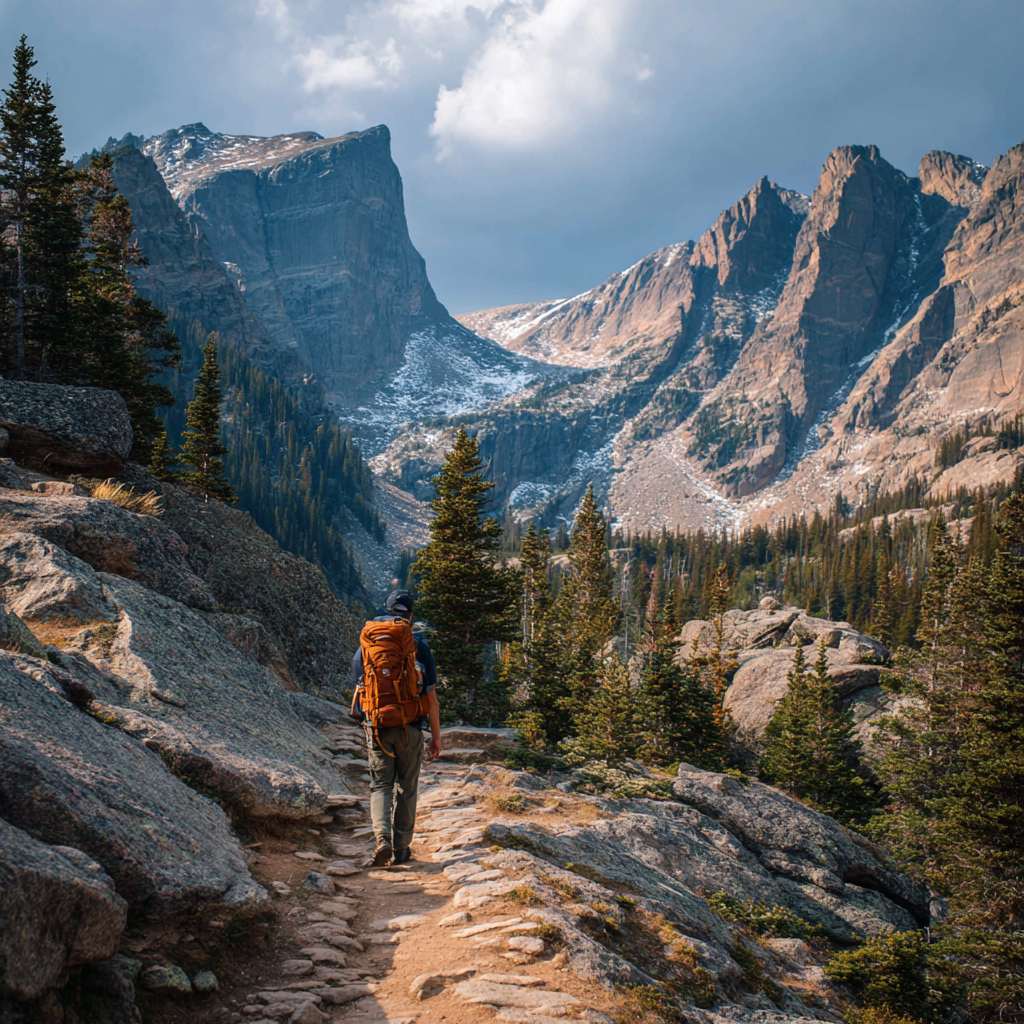
It sounds simple, obvious even. But hikers often wander “just a few feet” off a trail for a photo or shortcut. Trails aren’t just lines on a map – they’re engineered paths. Going off-trail can:
Damage fragile ecosystems
Cause erosion that makes the trail dangerous for others
Lead you straight into hazards – cliffs, unstable rocks, or sudden drop-offs
So that shortcut might cost you more than you think. The trail exists to keep you safe and the environment intact.
2. Pack Out Your Trash
“Leave no trace” is more than a slogan. Even small bits of trash – snack wrappers, water bottles, coffee cups – attract wildlife, pollute streams, and degrade the natural experience. Animals that get used to human food can become dangerous or sick.
Carrying out your trash is the easiest rule to follow and has one of the biggest impacts. It’s also about respect – for the park and the next hiker who wants to enjoy it clean.
3. Follow Fire and Campfire Restrictions
This one isn’t optional. Dry forests, high winds, and hot summer days make even a tiny spark catastrophic. Fires can destroy habitats, endanger hikers, and close trails for months.
Stick to designated fire pits, check current restrictions, or skip it entirely. A small campfire isn’t worth risking the park, your safety, or legal trouble.
4. Respect Wildlife
It’s tempting to approach a curious deer or snap a selfie with a bear in the background. Don’t. Wildlife rules exist to protect you and them:
Keep distance – animals may attack if threatened
Don’t feed wildlife – human food is bad for animals
Observe quietly – loud noises stress animals and disrupt their routines
Following these rules gives you the chance to see animals naturally, without endangering anyone.
5. Obey Shuttle, Trail, and Seasonal Closures
Some trails close for maintenance, nesting seasons, or weather hazards. Ignoring these signs can put you in danger or disrupt ecosystems. Seasonal restrictions on hiking, climbing, or camping exist for good reasons – usually wildlife protection or personal safety.
Yes, it’s frustrating to plan and then change course, but obeying closures keeps you alive and the trail beautiful for years to come.
6. Keep Dogs Leashed (When Required)
Dogs off-leash might seem harmless, but they can:
Chase or stress wildlife
Scare other hikers
Run into dangerous terrain themselves
Leashing your dog is a small effort for big benefits. And yes, some parks don’t allow pets at all on certain trails – check ahead.
7. Noise and Behavior Rules Matter
This might feel minor – “don’t blast music” or “don’t shout” – but it makes a huge difference:
Preserves the natural experience for everyone
Prevents disturbing wildlife
Reduces accidents – startled hikers or animals can react unpredictably
You don’t have to be silent, just aware. Most people on a trail appreciate it.
Why These Rules Are More Than Bureaucracy
On the trail, these rules translate directly into safety, environmental preservation, and a better experience. You might not notice the subtle erosion caused by off-trail wandering or the stress on a nesting bird from an inattentive hiker. Following rules protects the things you came to see in the first place.
Sometimes the rules seem overkill, and sure, a sign about not feeding squirrels may seem silly. But stepping back, the rules that actually matter protect both you and the park in ways you might not see immediately – until something goes wrong.
Tips for Following Rules Without Losing Fun
Read trailhead signs carefully. They’re often updated seasonally.
Plan ahead. Know pet, fire, and closure policies before you leave.
Pack properly. Bring a small trash bag, leash, water, and layers – it keeps you compliant naturally.
Respect wildlife and other hikers. Quiet observation beats disruption every time.
Think like a temporary resident. You’re a guest in the park – leaving it better than you found it is the goal.
Conclusion
National parks are magical, but they’re also fragile. The rules that matter aren’t there to annoy you – they exist to protect you, the trail, and everything around you. Staying on marked paths, respecting wildlife, packing out trash, following closures, and keeping dogs leashed – these simple actions make the difference between a safe, enjoyable hike and a trip that goes wrong.
Hiking isn’t just about trails and views; it’s about responsibility. Follow the rules that matter, and the park rewards you with safety, beauty, and experiences you won’t forget. Ignore them, and you risk ruining it for yourself and everyone else. Simple, but powerful.