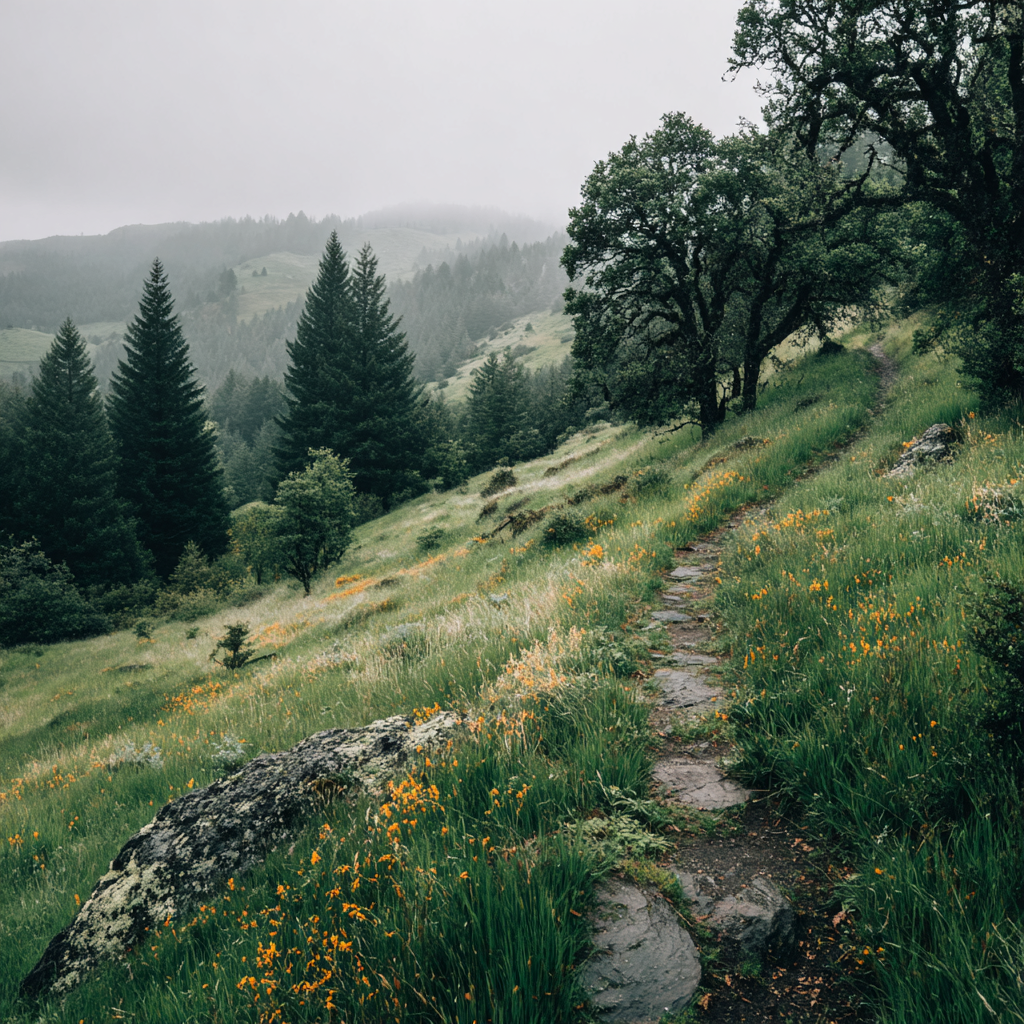
Coastal Walks Where the Weather Decides Everything
Wind, fog and sudden sun can fully change a coastal route. This article helps understand when to go and when to wait.
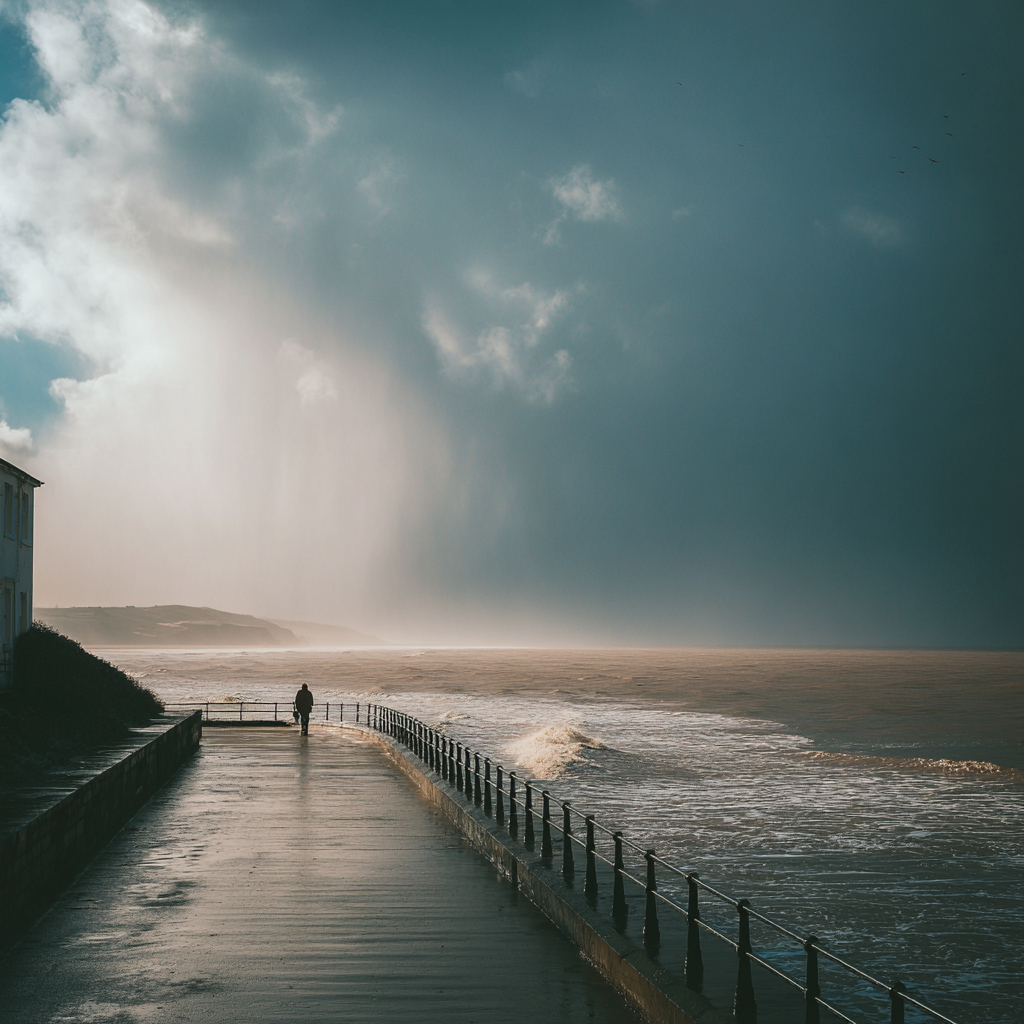
Wind, fog and sudden sun can fully change a coastal route. This article helps understand when to go and when to wait.
Coastlines are tricky. One moment, you’re strolling along golden sand or rugged cliffs, waves lapping softly, seagulls circling above, and the sun warms your face. You think, “This is perfect, I could do this forever.” And then – bam – the weather decides otherwise. A gust of wind so strong it nearly knocks you over, a sudden downpour soaking your jacket, or fog rolling in so thick you can barely see the trail ahead.
That’s the reality of coastal walks. The weather rules everything. You can plan meticulously, pick the “perfect day,” check forecasts online, and still be humbled by wind, rain, fog, or unseasonal sunshine. And yet, that’s also part of their charm – the unpredictability, the constant negotiation with nature, the feeling that you are moving through a living, breathing landscape.
Why Weather Matters More Than Distance
Distance on a coastal walk can be misleading. A 5-mile beach stroll might be effortless on a calm day, but with high winds or soft sand, it can feel like a marathon. Tides are another factor – what’s an easy walk at low tide can become impossible when the water rises. And don’t forget cliffside trails: slippery rocks, slick paths, and sudden drops can transform a gentle path into a technical challenge.
The weather doesn’t just affect your safety; it shapes the experience. Sunlight hitting waves at dawn creates a glittering spectacle. Fog rolling in turns familiar cliffs into a mysterious, almost eerie landscape. A sudden storm, though dangerous, can make the power of the ocean feel tangible in a way calm seas never do.
Coastal Walk Essentials
If you’re planning a walk where weather is the boss, preparation is everything. Here’s what I’ve learned over years of coastal wandering:
Layer your clothing. Coastal weather can change fast. A windproof jacket, a light fleece, and waterproof pants can save a miserable walk.
Check tide schedules. Some beaches disappear at high tide, cliffs erode, and paths can get cut off.
Footwear matters. Trails can be sandy, rocky, or muddy. Good grip is essential.
Bring small essentials. Water, snacks, a hat, and sunglasses – and maybe a backup light if fog rolls in early.
Keep an eye on the sky. Clouds can move faster than you think. Recognize signs of storms, fog, or sudden gusts.
The unpredictability can be frustrating, but it’s also what makes coastal walks alive. You’re never just walking – you’re responding, adjusting, and fully present.
Notable Coastal Walks to Try
1. Amalfi Coast, Italy
A sun-soaked stretch of cliffside trails, Amalfi is as beautiful as it is challenging. The paths wind between pastel villages, olive groves, and dizzying drops to the Mediterranean. Weather can shift quickly – summer winds can gust from the sea, and rain makes narrow paths slick. But when the sun breaks through, the views are breathtaking, with turquoise waves and terraced hillsides below.
2. Pembrokeshire Coast, Wales
This trail combines rugged cliffs, hidden beaches, and tiny villages. High winds are common, fog can roll in fast, and rain is a frequent companion. But it’s exactly that unpredictability that gives Pembrokeshire its dramatic character. One moment, sheep graze quietly on the cliff, the next, waves crash violently below. Walkers who respect the weather leave with stories they won’t forget.
3. Big Sur, California, USA
Big Sur is cinematic for a reason. Cliffs dropping into the Pacific, winding coastal roads, and forested hillsides make every step visually stunning. Fog and wind are constants. A morning mist can hide the ocean completely, then clear within minutes. Walks here teach patience – and the importance of timing. One day the coast is serene, the next raw and wild.
4. Cinque Terre, Italy
The five villages of Cinque Terre offer paths that link colorful towns with the sea. Sun is a blessing, rain a curse, and heat in summer a real challenge. The weather directly decides if a walk is leisurely or exhausting. Summer trails can get crowded, so checking forecasts and timing your walk matters as much as the trail itself.
5. The Wild Atlantic Way, Ireland
Ireland’s west coast is notorious for weather swings. Sunny mornings can turn into pouring rain in minutes. Coastal paths over cliffs, through bogs, and along sandy stretches are affected directly by wind and tide. But when the sun peeks out, the Atlantic stretches endlessly, and every hill and valley is washed in rich, dramatic light.
Mental Rewards of Weather-Driven Walks
There’s a rhythm to coastal walks that respond to weather. You learn to slow down, pay attention, and notice details you might overlook on “predictable” hikes. Clouds and fog highlight the curves of cliffs. Wind bends grass and thickets in mesmerizing patterns. Rain turns streams over rocks into miniature waterfalls.
Hiking on the coast becomes an improvisation. You read the environment, anticipate conditions, and respond creatively. There’s a meditative quality in this – you’re not just moving through a landscape, you’re negotiating with it.
Safety First
Despite the romance, coastal walks demand respect:
High tides and cliff erosion can be deadly.
Strong winds can knock hikers off balance.
Sudden storms can create dangerous footing.
Always check local conditions, plan extra time, and carry basic safety gear. Sometimes the weather will tell you to turn back – and that’s part of learning the coast.
Tips for Maximizing the Experience
Start early. Morning light is beautiful, and weather patterns are often calmer.
Check local forecasts frequently. Coastal weather can change faster than inland forecasts predict.
Pack snacks and water. Energy is crucial when hiking against wind or on soft sand.
Keep your phone charged. Useful for navigation and emergencies.
Embrace unpredictability. Even bad weather can create unforgettable scenes – fog over cliffs, crashing waves, storm-swept beaches.
The Unpredictable Beauty
There’s a reason coastal hikes stay in memory. It’s not just the distance or the terrain. It’s the way the weather shapes every moment. A trail can be calm, then dramatic, then serene again, all in one walk. Every gust, drizzle, or sunbeam changes the experience, turning a familiar route into something new.
Unlike mountains, where altitude sets a steady physical challenge, the coast challenges perception, patience, and adaptability. You learn to move with conditions, appreciate fleeting moments, and sometimes just stop and watch the sea shift in mood.
Coastal walks teach a unique lesson: the environment decides the pace, the challenge, and the reward. A trail that looks easy can turn tricky with a sudden change in wind or tide. But it’s also those unpredictable moments that make the walk memorable.
The best walks are not just measured in miles, but in adaptability, attention, and the stories you carry home. Sun, rain, fog, or wind – coastal trails are alive, and every step is a conversation with nature.
So lace up your boots, check the tide chart, grab your jacket, and get ready to let the weather lead. You’ll never forget it.