Small Mountain Towns That Make Great Base Camps
Places where you can sleep, eat well and start trails right from the door, without long drives.
Places where you can sleep, eat well and start trails right from the door, without long drives.
If you love mountains, you probably know the thrill of waking up in a tiny town tucked between peaks. There’s something about small mountain towns – the crisp air, the smell of wood smoke in the morning, the quiet streets that feel paused in time – that makes them perfect bases for exploring the surrounding trails. They aren’t just pit stops; they’re part of the adventure.
I’ve spent enough time bouncing between these towns to know there’s a difference between a “place to sleep” and a “base camp” that sets the tone for your whole trip. The best ones combine charm, accessibility, and practical amenities – little inns or B&Bs, grocery stores, trail maps at the local coffee shop, and of course, a friendly vibe that welcomes hikers, climbers, and wanderers.
Why Base Camp Towns Matter
Mountain trips aren’t just about trails. They’re about logistics, recovery, and mental prep. A town that feels welcoming can make all the difference. Think about it – after a long climb or a deceptively hard trail, your first priority is food, water, and somewhere to rest without fuss. Then, as you recover, you might want gear, tips from locals, or even a casual stroll to a scenic overlook before the next hike.
Small towns often give all of this without the chaos of tourist-heavy cities. You get authenticity, easy access to trails, and a slower pace that matches mountain life. And they tend to know their mountains – locals often give the best advice, from which trail sections are slippery today to which peaks are ideal for sunrise.
What Makes a Town a Good Base Camp
Not every mountain town is created equal. Some have shops but no trail access. Others are picturesque but impractical for logistics. Here’s what I look for:
Trail access: Either the trailhead is in town or a short drive/ride away.
Accommodation options: From simple guesthouses to small hotels, somewhere safe and comfy to rest.
Food and supplies: Grocery stores, bakeries, or a café with sandwiches, coffee, or local pastries.
Local knowledge: Friendly locals, outdoor shops, or visitor centers with tips.
Atmosphere: Cozy streets, interesting architecture, and a sense of community.
Combine these, and suddenly a town becomes a hub for adventure, rather than just a place to crash.
Notable Base Camp Towns
1. Estes Park, Colorado, USA
Gateway to Rocky Mountain National Park, Estes Park has a little magic about it. Streets lined with log cabins and mountain shops, wildlife wandering nearby, and restaurants that serve hearty meals after a day on the trails. Trailheads like Bear Lake or Emerald Lake are just a short drive away, and you can even catch shuttle buses during peak season.
Estes Park is lively enough to have restaurants, stores, and gear rentals, but still small and peaceful compared to big cities.
2. Chamonix, France
At first glance, Chamonix feels touristy – lots of visitors, ski shops, and bustling streets. But it’s also a perfect base for mountain adventures, especially for hikers and climbers who want access to Mont Blanc trails. Cable cars, gondolas, and local buses make getting to the high trails easy, and the town itself offers cozy cafés, bakeries, and some incredible French alpine hospitality.
It’s a great example of a town that mixes practicality with scenery – perfect for planning several days of hiking without moving hotels every night.
3. Zermatt, Switzerland
Zermatt is small, car-free, and tucked beneath the iconic Matterhorn. Perfect for hikers, climbers, and even casual wanderers. Trails start right in town or a short cable car ride away. Accommodation ranges from cozy inns to boutique hotels. Restaurants offer everything from casual snacks to fancy meals, and you get the added benefit of the town’s incredible alpine views.
The vibe is calm but lively, and since it’s car-free, the air feels clean and the streets quiet – ideal for recovery after a tough hike.
4. Telluride, Colorado, USA
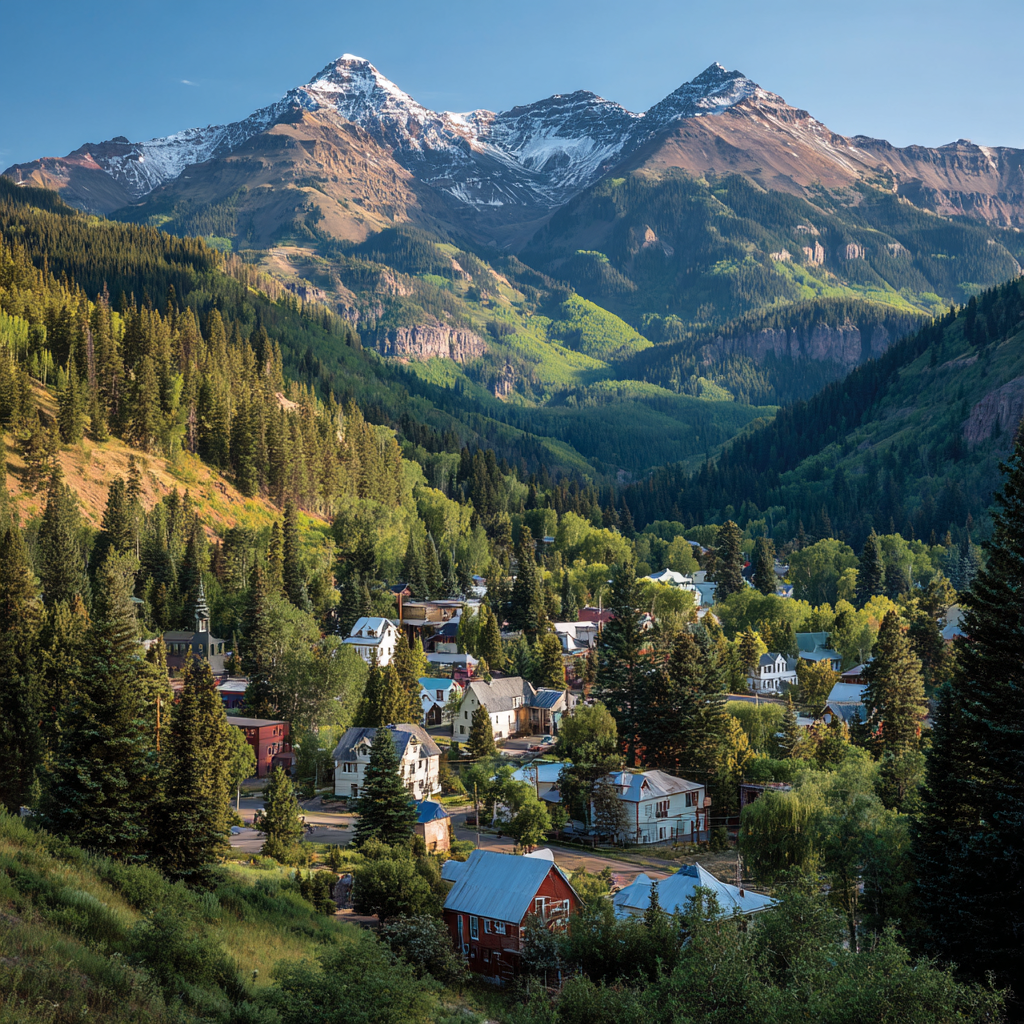
Tiny, picturesque, and historically rich, Telluride sits in a narrow box canyon, surrounded by rugged peaks. Trailheads are a short walk or drive from town. Local cafés, bakeries, and small grocery stores make day-to-day life simple, while historic streets and mountain architecture give it character.
The town feels remote enough to immerse yourself in the mountains but connected enough to get supplies, advice, or even a post-hike massage.
5. Banff, Alberta, Canada
While larger than some small towns, Banff feels compact, friendly, and extremely accessible for hikers. Nestled in the Canadian Rockies, it provides immediate access to trails, lakes, and peaks. Accommodation ranges from hostels to hotels, and everything you might need is a short walk away.
Banff combines the convenience of a small town with enough infrastructure for travelers who need groceries, gear, or local insight before setting out on a long hike.
Tips for Choosing Your Base Camp
Check trail access first. A charming town isn’t helpful if every trail requires a long drive.
Prioritize recovery. Look for amenities like grocery stores, cafés, or even a small pharmacy.
Consider public transport. Shuttle buses or cable cars can save energy and time.
Think about atmosphere. A friendly, welcoming town will make your downtime as enjoyable as your hikes.
Plan for weather. Towns at higher elevations can get colder or snowier; make sure accommodations are winter-ready if hiking off-season.
Even a single extra hour of sleep in a cozy inn or a hot cup of coffee can make the difference between a grueling day and an enjoyable adventure.
The Intangible Benefits
Small mountain towns offer more than convenience. They provide pace, perspective, and grounding. After hours on a trail, walking through quiet streets, chatting with a local shopkeeper, or just sitting by a river, you notice how small effort in the right place gives enormous satisfaction.
These towns allow you to recharge both physically and mentally. You return to the trails refreshed, ready for the next climb, and maybe even thinking about staying an extra day just to watch the sun hit the peaks in a different light.
Base camps aren’t just logistical stops. They’re part of the mountain experience. A small town with charm, amenities, and access to trails sets the tone for your entire trip. You eat well, sleep well, and get to enjoy the surrounding mountains without worrying about the next move.
Next time you plan a mountain adventure, don’t just look at trails. Look at the towns too. A good base camp town can transform a challenging hike into an unforgettable journey – one where you return each evening with stories, sore muscles, and a sense of belonging.
Mountain towns aren’t just where you stay – they’re where your adventure begins, pauses, and sometimes, where it becomes magical.