Mountain Trails That Look Friendly but Hit Hard Later
Some routes start calm and wide, then suddenly turn steep and quiet. This article talks about trails that slowly test your stamina and mindset.
Some routes start calm and wide, then suddenly turn steep and quiet. This article talks about trails that slowly test your stamina and mindset.
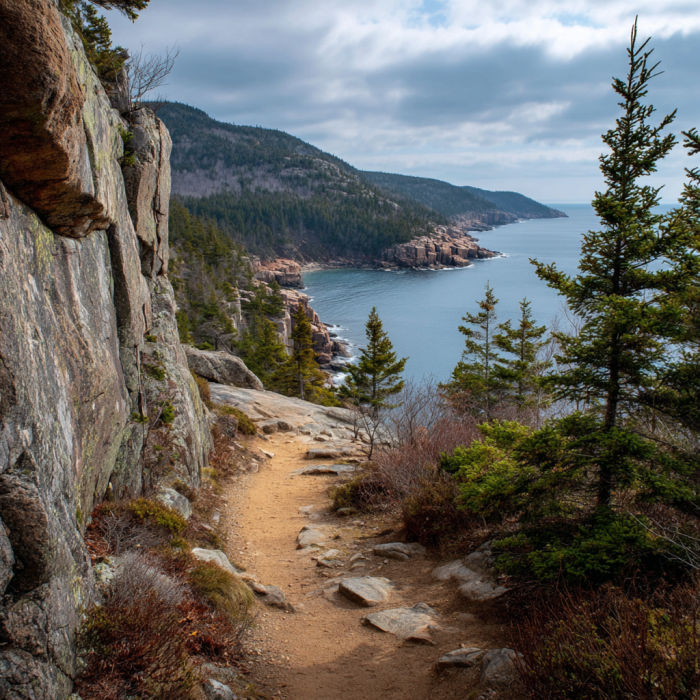
When you first set eyes on some mountain trails, they look harmless. Smooth paths, gentle slopes, maybe a wooden bridge over a babbling stream, and you think – “Yeah, this is a walk in the park.” You strap on your hiking boots, sip the last of your coffee, and take that first step, maybe hum a little tune. But somewhere halfway up, the trail starts whispering a different story. Rocks appear where there were none, roots twist underfoot like hidden traps, and the air gets thinner, colder, heavier. The “friendly” mountain trail suddenly feels less like a stroll and more like a test – of stamina, grit, and patience.
I’ve hiked a few of these deceptive paths, and let me tell you, the experience is both maddening and unforgettable. It’s the kind of hike that leaves your legs screaming, your lungs begging for mercy, and your mind secretly cursing the person who called it “easy.” But somehow, you keep moving forward, drawn by curiosity, stubbornness, and the promise of the view at the top.
The Allure of “Friendly” Trails
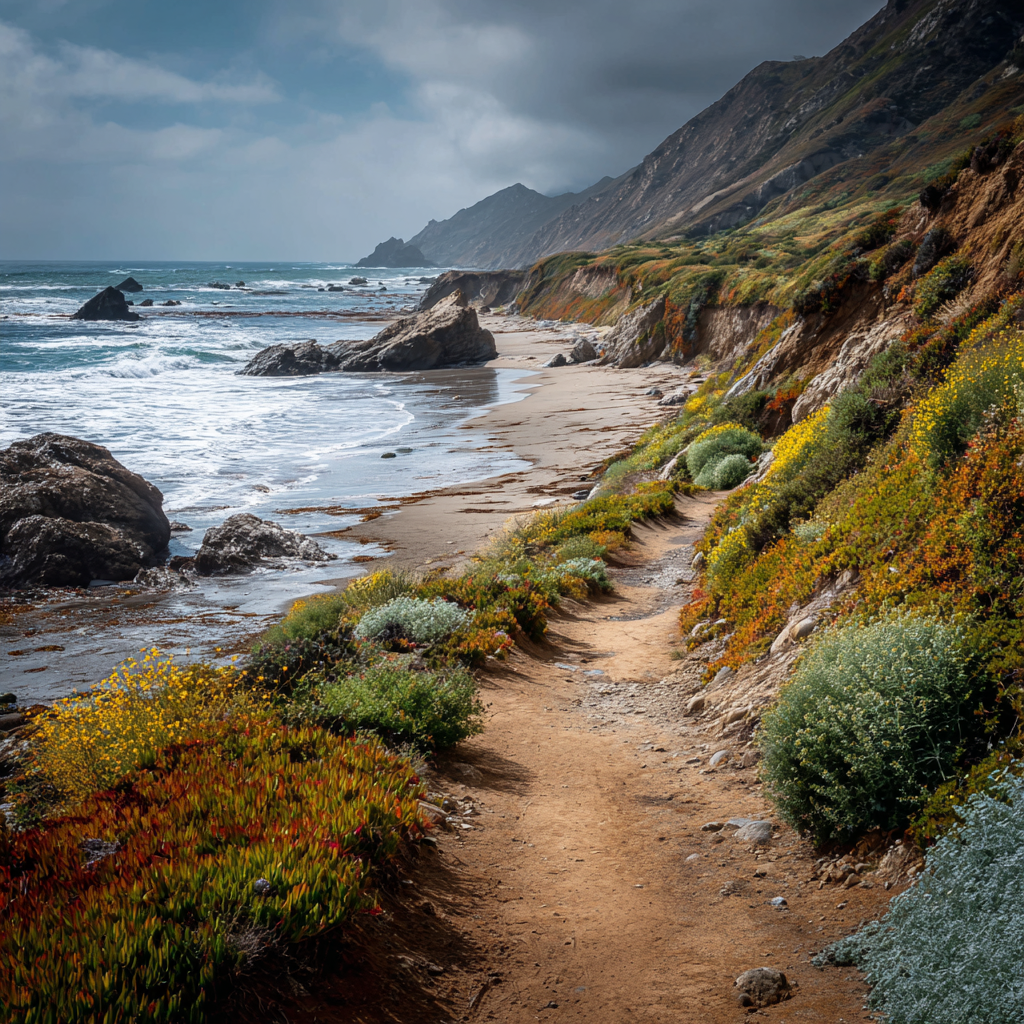
There’s a reason these trails exist – they lure you in. A lot of beginner guides or online maps will label certain routes as “easy” or “moderate.” Maybe the first mile or two really is gentle, winding through green meadows or past small streams. Birds sing, leaves rustle, the sun peeks through the branches, and you think, “Okay, I got this.” And you do, for a while.
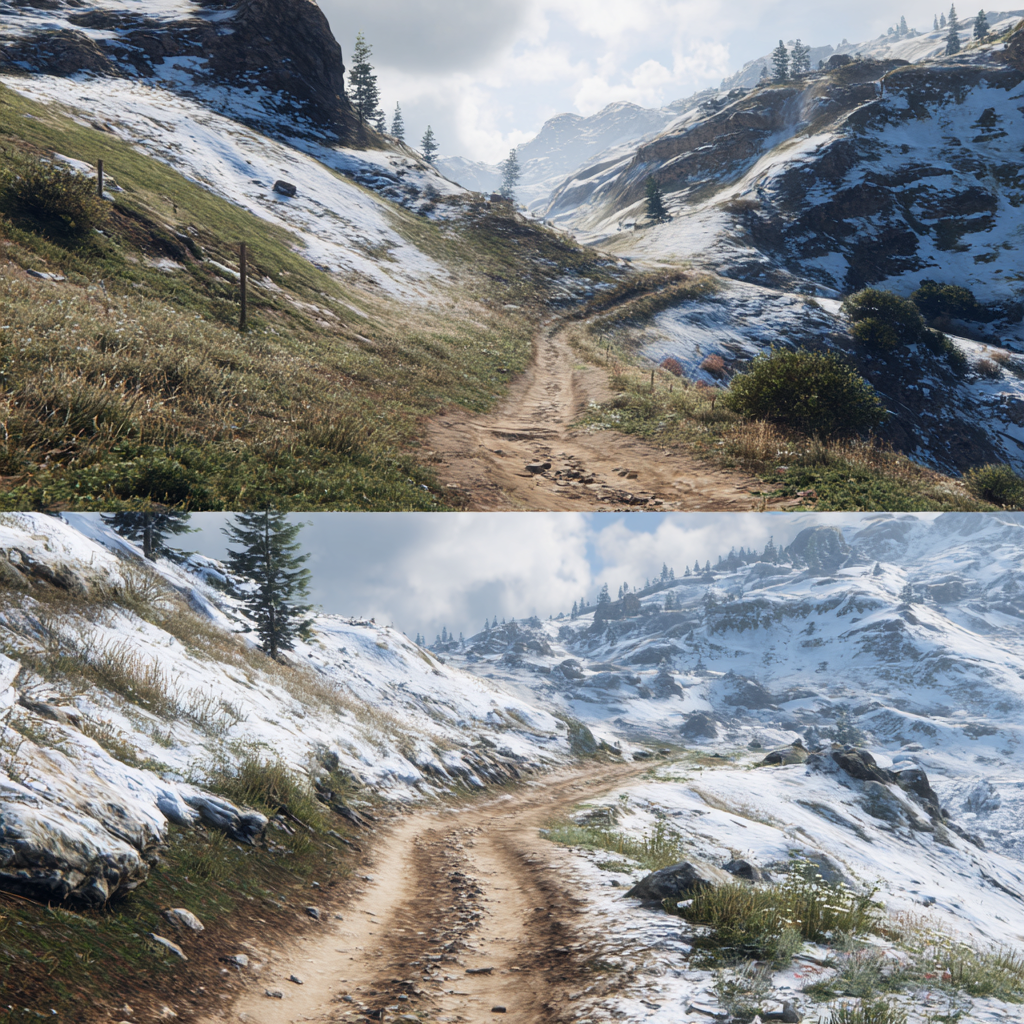
But mountains are tricky. They hide their true selves. Just like life, the easy part often masks the real challenge ahead. A flat section might suddenly curve into a steep incline. A clear path turns into loose scree that slides underfoot. A serene brook is crossed by a narrow, mossy log. These little surprises – minor, but insidious – are what separate the hikers who underestimate the trail from those who respect it.
It’s a bit like the mountains are playing with you. They let you feel confident, even smug, then they whisper: “Oh you think you’re ready? Let’s see how you handle the next mile.”
Reading the Trail Wrong
One of the most common mistakes is misreading a trail from a map or a photo. That postcard view of a gentle ridge? It’s probably taken from the bottom of the slope, or from a drone angle that hides the actual climb. Trail guides will sometimes downplay the elevation gain or leave out how rocky a section can get.
I remember one trail in the Rockies that was advertised as “suitable for beginners.” The first half was charming, meandering through pine forests and past small waterfalls. I was relaxed, laughing at how easy it felt. And then… it hit me. The path narrowed, turned into jagged stones, and I realized I’d been steadily climbing almost 1,000 feet in just a few hundred meters horizontally. My legs burned, my heart thudded, and I kept thinking – “Friendly? Friendly my foot.”
The trick is that many of these trails are graded not by effort, but by technical skill. Easy footing? Moderate difficulty. Moderate elevation gain? Still beginner-friendly. But combine both, or misjudge them, and suddenly the hike isn’t “friendly” at all.
Mental Challenges
Physical strain is obvious, but there’s a mental component too. Trails that appear easy at first lull you into a false sense of security. You underestimate the time it will take, you take fewer breaks, you don’t hydrate as carefully. And then, when the climb gets tough, your brain is already behind.
Some trails are subtle tricksters. They appear flat, but the incline slowly steepens over miles until your calves are screaming and your feet feel like lead. Others start with minor rock scrambles that seem harmless, but keep repeating every few hundred meters, each one worse than the last. You might start questioning your own ability, or worse, the wisdom of leaving the safety of your hotel for a “friendly” trail.
That’s when the real experience starts. There’s frustration, there’s doubt, but also a strange clarity. You start noticing the small details: the way sunlight glints off a rock, the smell of pine resin, the sound of your own breathing echoing against the cliffs. You can’t rush these moments. They are part of the hike. And maybe – just maybe – the trail isn’t meant to be easy. It’s meant to teach patience.
The Slow Burn
A “friendly” trail that hits hard later is like a slow burn. At first, you barely notice the effort. Then fatigue creeps in, gradually wrapping itself around your muscles. You start stopping more often, your pace slows, and your mind oscillates between resignation and stubbornness.
There’s beauty in that slow burn. Unlike a brutally steep trail that punishes you immediately, these deceptive hikes stretch your limits in a quiet way. You learn to listen to your body, to pace yourself, to pay attention to the subtle cues around you. It’s a humbling experience, the kind that teaches respect – for mountains, for nature, and for yourself.
Tips for Handling Deceptive Trails
If you plan to tackle a trail that looks easy but might hit hard, here are a few tips I’ve picked up from both suffering and surviving:
Start early. Early morning hikes give you cooler temperatures, softer light, and fewer crowds. That calm first hour is priceless.
Check elevation gain, not just distance. Even a short hike can be brutal if it climbs quickly.
Bring extra water and snacks. Friendly-looking trails can mask long stretches with no shade or water sources.
Layer your clothing. Weather changes quickly in the mountains. A sunny morning can turn cold and windy in just an hour.
Use trekking poles. They’re lifesavers on steep or rocky sections, especially when your legs start complaining.
Listen to your body. Slow down, rest, or turn back if needed. Don’t let pride push you past your limits.
The Reward at the Top
Why do we keep going, even when trails betray us? The reward is rarely just the view. Sure, reaching a summit or a ridge with a panoramic view of valleys and peaks is unforgettable. But it’s also the sense of accomplishment, of having pushed through gradual, creeping challenge, that makes it special.
The trail teaches patience. It forces humility. And it rewards persistence. When you finally step onto that summit, your legs sore, your lungs heaving, and look out over the mountains stretching endlessly in every direction, it feels like you’ve earned every inch of that view.
And then, almost immediately, you start thinking about the next trail. The mountains are tricky, but addicting.
Stories from the Trail
I’ve met hikers who swore they were “in shape” only to find themselves crawling over rocks that looked like gentle bumps from the trailhead. I’ve seen couples stop mid-hike, arms around each other, laughing and grimacing at the same time. I’ve also seen solo hikers, stubbornly determined, breathing hard but moving steadily, refusing to give in to the deceptively gentle slope.
These trails teach empathy too. You notice other hikers, their pace, their struggle, their small victories. You start nodding at strangers on rocks, sharing water, trading tips on tricky sections. The trail, deceptively easy at first, becomes a space where humanity and nature collide quietly.
A Warning and a Promise
Not every “friendly” trail deserves the same caution. Some really are easy. But those that start soft and end rough – the deceptive ones – are treasures in disguise. They challenge your body, your mind, your judgment. They make the summit, the view, and even the walk back down feel earned.
So next time you see a trail labeled “easy” on a map or guidebook, take a closer look. Study the elevation, the terrain, the photos. Prepare yourself. Respect the trail. You might curse it, sweat profusely, and question your sanity halfway up. But at the top? You’ll know exactly why you came.
Mountain trails that look friendly but hit hard later are the kind that stay with you. They teach patience, humility, and perseverance. They make you feel alive in a way a flat, predictable path cannot. And when you finally descend, legs wobbling, heart still racing, you realize that part of the thrill is never knowing exactly what the mountain will demand from you.
So lace up your boots, take a deep breath, and step onto the trail that looks too easy. The mountain will test you, frustrate you, and maybe even scare you. And you’ll love every minute of it.