Best Mountain Hikes for People Who Are Not “Pro Climbers”
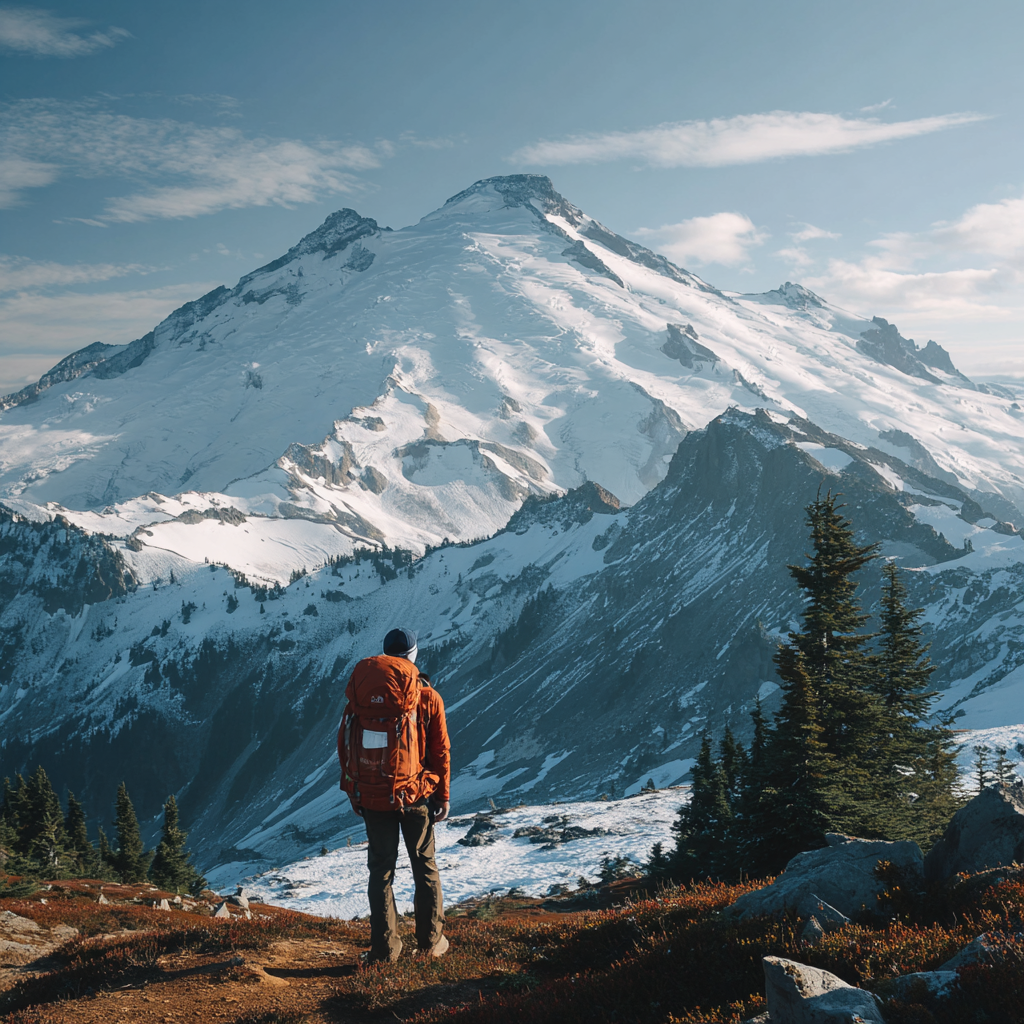
Not every mountain trip needs ropes and helmets. Here are routes where views are big but skills required are still realistic.
Not every mountain trip needs ropes and helmets. Here are routes where views are big but skills required are still realistic.
Not everyone wants to scale the Alps in full mountaineering gear or tackle trails that feel like vertical walls. Some of us just want mountains that challenge a little, look beautiful, but don’t require crampons, ropes, or a lifetime of training. And that’s ok. Mountains aren’t only for pros. In fact, some of the most memorable hikes are for people who just like to walk, breathe, and maybe grunt a bit on a steep hill.
I’ve walked trails with beginners, families, and solo travelers who didn’t fancy themselves “athletes.” And you know what? They survived, they laughed, and most importantly, they got views that could make you cry. The trick is knowing where to go and how to pace yourself.
Why Non-Pro Hikers Can Still Love Mountains
Mountains are not only about vertical gain or technical routes. A lot of trails reward patience rather than speed. Gentle switchbacks, forested ridges, or rolling hills that peek out over lakes or valleys – these are the routes that fit non-pro climbers perfectly.
The key is pacing. Start slow, take breaks, hydrate, and enjoy the scenery. The mountain doesn’t mind your pace. It will be beautiful either way. In fact, moving slower often means noticing things the “pros” might miss – a tiny wildflower tucked between rocks, a distant waterfall, birdsong echoing through the valley.
Trail Recommendations
Here are some trails I’ve found that are perfect for people who want mountains without going full pro-mode:
1. Cascade Pass – North Cascades, Washington, USA
Cascade Pass is one of those hikes that looks harder than it is from the parking lot. The trail starts gradually, weaving through wildflower meadows and groves of pine, before opening up to views of jagged peaks.
It’s about 7 miles round trip, with moderate elevation gain. Beginners may feel the burn toward the top, but there’s nothing technical – no scrambling, no ropes. And the view? Worth every step. You can see glaciers, valleys, and sometimes even deer grazing along the trail.
2. Mount Monadnock – New Hampshire, USA
Mount Monadnock is legendary for a reason. The trail is steep at times, but manageable for most people with basic fitness. The beauty here is the forested ascent that opens up to rocky ledges offering panoramic views.
The White Dot or White Cross trails are the most popular routes, and while they can be crowded on weekends, they give a perfect introduction to mountain hiking without being overwhelming. Bring sturdy shoes, a snack, and enjoy the challenge without pressure.
3. Ben Nevis via the Tourist Path – Scotland
Scotland’s Ben Nevis is often associated with hardcore climbers, but there’s a route for non-pros: the “Tourist Path.” It’s long, about 10-11 miles round trip, but it’s a walkable trail, well-maintained and gradual.
The terrain changes from green slopes to rocky scree toward the top, but there’s no technical climbing required. Weather can be unpredictable, so layering is essential. The summit rewards you with stunning views of the Highlands, clouds drifting in valleys, and a sense of “wow, I actually did it.”
4. Table Mountain – Cape Town, South Africa
Table Mountain isn’t just a postcard. The Platteklip Gorge route is direct, steep, but very achievable. It’s about 3-4 hours up, depending on your pace, and the steps carved into the rock make it manageable even for those who aren’t climbing experts.
The top offers 360-degree views of the city, ocean, and surrounding mountains. Bring plenty of water and sunscreen – the sun can be brutal once you’re above the tree line. Cable car is optional for the descent if your legs are protesting.
5. Mount Fuji – Japan (Yoshida Trail, July–September)
Mount Fuji is iconic, and yes, it’s tall. But the Yoshida Trail is surprisingly friendly for beginners with decent stamina. The trail has stations with water and shelters along the way, making pacing easier.
The climb is more about endurance than technical skill. Watch for altitude effects – even small hikers feel a little dizzy near the top. And catching the sunrise from the summit? Pure magic.
Tips for Non-Pro Climbers
Even on beginner-friendly trails, preparation matters. Some quick tips to make your hike easier and more enjoyable:
Know your pace. There’s no need to rush. Short breaks to catch your breath or drink water are not lazy – they are smart.
Dress in layers. Mountain weather changes fast. A light jacket, moisture-wicking shirts, and comfortable pants make a huge difference.
Bring water and snacks. Even short trails can take longer than expected, especially if you’re enjoying the scenery.
Use trekking poles. They take the strain off knees on descents and give extra stability on uneven ground.
Start early. Avoid crowds and get cooler temperatures on steeper sections. Plus, you’ll have more daylight in case the trail takes longer than expected.
Check weather. Even beginner trails can become risky in heavy rain, snow, or strong wind.
Mental Benefits
One of the most underestimated parts of beginner-friendly mountain hikes is the mental lift. Moving steadily, listening to your own breath, watching clouds roll over ridges – it slows you down in the best way. You get to leave your phone in the pack for stretches, notice the small stuff, and feel a connection that big, fast climbs sometimes erase.
Hiking non-pro trails can feel meditative. And you’ll leave the mountain with a quiet confidence. Not because you conquered it in record time, but because you showed up, kept moving, and made it to the top under your own power.
Common Mistakes
Even “easy” mountain hikes can go wrong if you’re unprepared:
Underestimating the climb. Trailhead photos can be deceiving. Look at elevation gain, not just distance.
Skipping breakfast or snacks. Energy drops fast on steep sections.
Ignoring weather changes. Cloud cover, wind, or sudden rain can make a trail harder than expected.
Going alone without telling anyone. Even beginner trails can have rough patches. A check-in is smart.
Respect the mountain, even if it seems friendly. That’s the rule that keeps hikers safe.
Mountains are not exclusive to pros. There are countless trails that give you fresh air, unforgettable views, and just enough challenge to feel alive – without requiring ropes, harnesses, or years of training. For beginners and casual hikers, these trails are golden.
The key is preparation: pacing yourself, bringing water and snacks, and checking conditions before heading out. The goal isn’t to set speed records; it’s to enjoy the climb, notice the details, and celebrate reaching the top.
Mountains welcome all kinds of hikers – slow, careful, inexperienced. They reward persistence, curiosity, and a willingness to move a little outside your comfort zone. And when you reach the summit, legs sore, lungs full of cool mountain air, you’ll know that being a non-pro hiker is exactly who the mountain was waiting for.