How Altitude Changes Your Trip More Than Distance
Even short hikes feel different when air gets thinner. We explain what really happens to your body up there.
Even short hikes feel different when air gets thinner. We explain what really happens to your body up there.
When most people plan a hike or mountain trip, they focus on distance. “It’s only five miles,” they say. “That’s nothing, I can do that in a couple of hours.” But mountains have a sneaky trick – they mess with your body and mind in ways distance can’t predict. Altitude changes a trip far more than the miles on a map. Five miles at sea level? A morning stroll. Five miles climbing steadily above 8,000 feet? Suddenly, it feels like a battle.
I’ve learned this lesson many times, sometimes the hard way, sometimes with a grin. You start feeling it in your lungs, in your heartbeat, in your legs that feel like they’re suddenly made of lead. The trail doesn’t get longer, but every step demands more attention, more energy, more patience.
The Invisible Factor: Thin Air
Altitude is sneaky because it’s invisible. You can’t see it, touch it, or measure it without a device, but your body notices immediately. The higher you go, the thinner the air gets, and the less oxygen is available. That means your muscles, heart, and lungs have to work harder for every movement.
Even a gentle slope at high altitude can feel like a sprint at low elevation. That five-mile hike you thought would be a warm-up can turn into hours of huffing, puffing, and short breaks on every rock or fallen log. Beginners often underestimate this, assuming pace or distance alone determine difficulty. But altitude changes everything – stamina, focus, even your mood.
Physical Effects of Altitude
The body reacts in strange ways. Some common effects hikers notice:
Shortness of breath – suddenly you’re breathing like a marathoner even on moderate inclines.
Increased heart rate – your heart works overtime to circulate oxygen.
Fatigue – muscles tire faster, and you may need to rest more often.
Headache or dizziness – minor altitude sickness can sneak up unexpectedly.
Dehydration – air at altitude is dry, so you lose water faster than you think.
These symptoms are not failures – they’re simply your body adjusting. Respect them, pace yourself, and always listen to how you feel.
Mental Challenges
Altitude doesn’t just affect the body – it affects your head. You might feel irritable, impatient, or just plain slow. Tasks like tying boots, reading a map, or balancing on a rocky ridge become harder. The mental fatigue often arrives before physical exhaustion.
This is why experienced hikers emphasize “slow and steady.” Moving deliberately, taking breaks, and staying hydrated matters more than speed or distance. Altitude forces mindfulness in a way that flat or low-elevation hikes rarely do.
Planning for High-Altitude Trips
Preparation is key if you want to enjoy a high-altitude hike. Here’s what works:
Acclimatize if possible. Spend a day or two at intermediate elevation before hitting the highest points. Your body needs time to adapt.
Hydrate constantly. Water is your friend; altitude dehydrates faster than heat or exertion.
Pace yourself. Don’t try to cover as many miles as you would at sea level. Factor in extra time for breaks.
Monitor your body. Mild headache or dizziness? Take it easy. Severe nausea or breathlessness? Turn back.
Bring layers. Temperature can drop dramatically with elevation, even on sunny days.
It’s easy to underestimate the mountain when it’s sunny and the path looks gentle. Altitude doesn’t care about appearances.
Examples from the Trail
I remember a hike in the Rockies. The map said “easy loop, 6 miles.” It started beautifully – pine forests, babbling streams, sunlight filtering through the leaves. I felt relaxed, maybe a little smug. By mile three, the trail curved upward, and suddenly my legs were burning, my breathing was rapid, and I was counting every single step. Six miles at sea level? No problem. Six miles gaining 2,500 feet in elevation? Exhausting.
Another time, I attempted a trail in the Andes. The distance was shorter than a hike back home, but the thin air was brutal. Even walking slowly, I felt like I was running. Every pause was a relief, and every vista felt like a victory. The altitude made a short trail feel epic.
Altitude vs. Distance: Why It Matters
Distance can be deceiving. Two trails of equal length can feel completely different depending on elevation:
Trail A: 5 miles, flat, 500 feet gain – casual stroll, maybe an hour or two.
Trail B: 5 miles, 2,000 feet gain, above 8,000 feet – you’re lucky to finish in three hours, legs and lungs aching.
It’s not just physical effort. Altitude affects endurance, balance, mental focus, hydration needs, and even appetite. You might eat more slowly, sip water more often, or take twice as long to finish.
Understanding this is crucial for planning realistic hikes, packing the right gear, and enjoying the experience rather than suffering needlessly.
Tips for Enjoying High-Altitude Hikes
High-altitude hikes can be exhilarating if you respect their rules:
Start easy. Begin with shorter, lower trails to let your body adapt.
Keep a slower pace. You’ll cover the same ground with less strain if you walk deliberately.
Snack frequently. Small bites of energy-rich foods maintain stamina.
Rest intentionally. Stop to drink water, take photos, or simply breathe. Don’t wait until you’re exhausted.
Know the warning signs. Severe headache, nausea, dizziness, or confusion means you need to descend immediately.
These tips aren’t just practical – they make the hike enjoyable. The mountain wants your respect, not your speed.
Mental Rewards
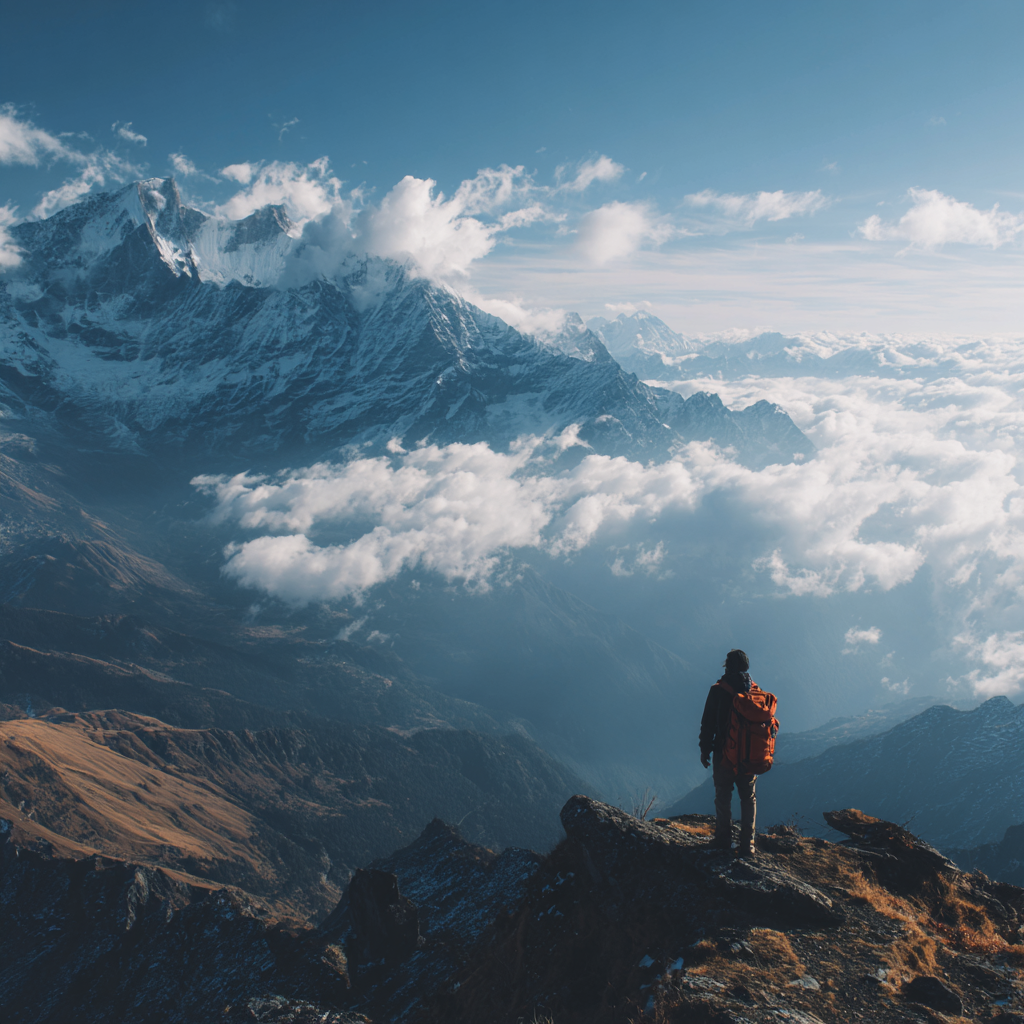
The slower pace and effort required at altitude often bring unexpected mental rewards. You notice details – moss on rocks, patterns of clouds over peaks, the distant sound of waterfalls or birdcalls. You have time to reflect, to breathe, to feel the environment fully.
It’s not just a hike – it’s a mental reset. Altitude forces focus, patience, and humility. When you finally reach a summit, the victory isn’t measured in miles, but in how you managed every step, every breath, every decision along the way.
Planning Gear for Altitude
A few gear tips make a huge difference:
Light layers – temperatures drop with elevation, and you can overheat quickly in direct sun.
Hiking boots with good grip – rocky or scree-covered trails are common.
Trekking poles – reduce strain on knees and help with balance.
Water and electrolyte drinks – prevent dehydration and fatigue.
Snacks – nuts, chocolate, or energy bars keep energy steady.
Small adjustments in preparation can completely change how the hike feels.
When Distance Lies
Maps and trail guides are useful, but they lie a little when it comes to altitude. Five miles on a map might feel very different from five miles on the trail, depending on the elevation profile. Trail descriptions that list distance without vertical gain can trick hikers into underestimating difficulty.
Altitude adds a layer of complexity you can’t measure by miles alone. It’s invisible, unpredictable, and yet entirely real.
If there’s one thing I’ve learned from mountain hiking, it’s this: don’t underestimate altitude. Distance is only part of the story. Your lungs, heart, legs, and mind all count for much more when the air thins. Respect the mountain, pace yourself, and enjoy the slower rhythm.
Altitude changes your trip more than distance because it transforms every step into a challenge, every pause into a victory, and every summit into a lesson. You might take longer, breathe harder, and curse under your breath. But when you stand at the top, lungs still heaving, heart racing, and look out over valleys and peaks stretching endlessly, you understand the lesson – the mountain measures effort, not miles.
And honestly? That’s what makes it worth it.